Why does microblading turn gray or blue?
Because the warm tones in brow pigment break down faster than the cool ones. As a brown pigment's warm components fade, the remaining cool base — often carbon-based — reads gray, ashy or blue through the skin.
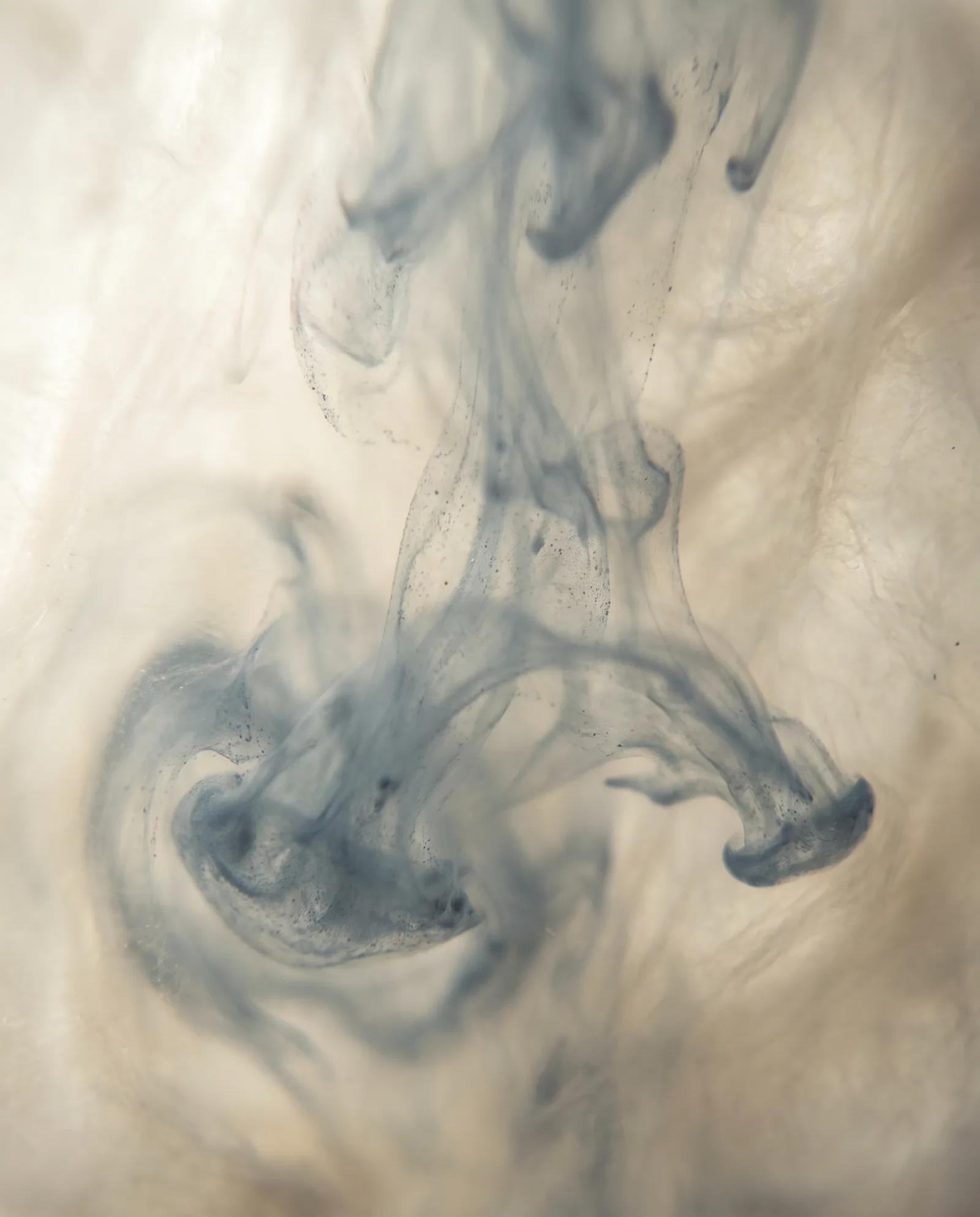
Brown pigment is a recipe
Cosmetic brow pigments are mixes: warm reds and yellows layered over cool black or ash bases. Skin, sun and time break these components down at different speeds. When the warm half of the recipe fades first, the cool half is what's left — and viewed through skin, cool pigment reads gray to steel-blue.
Depth matters too. Pigment that sits deeper scatters more light before reaching your eye, which shifts its apparent colour cooler — the same reason veins look blue.
Why another layer rarely fixes it
A warm cover-up can mask cool pigment temporarily, but it adds density to skin that is already carrying old work — and when the new layer fades, the gray returns with company. Removal takes the opposite path: lifting the old pigment out so the brow can start clean.
Wondering about your own brows? See real client results or read how non-laser removal works. Consultations at the Campbell studio are unhurried and honest.